Next Kraftwerke and ju:niz Energy sign seven-year tolling agreement for large utility-scale storage facility
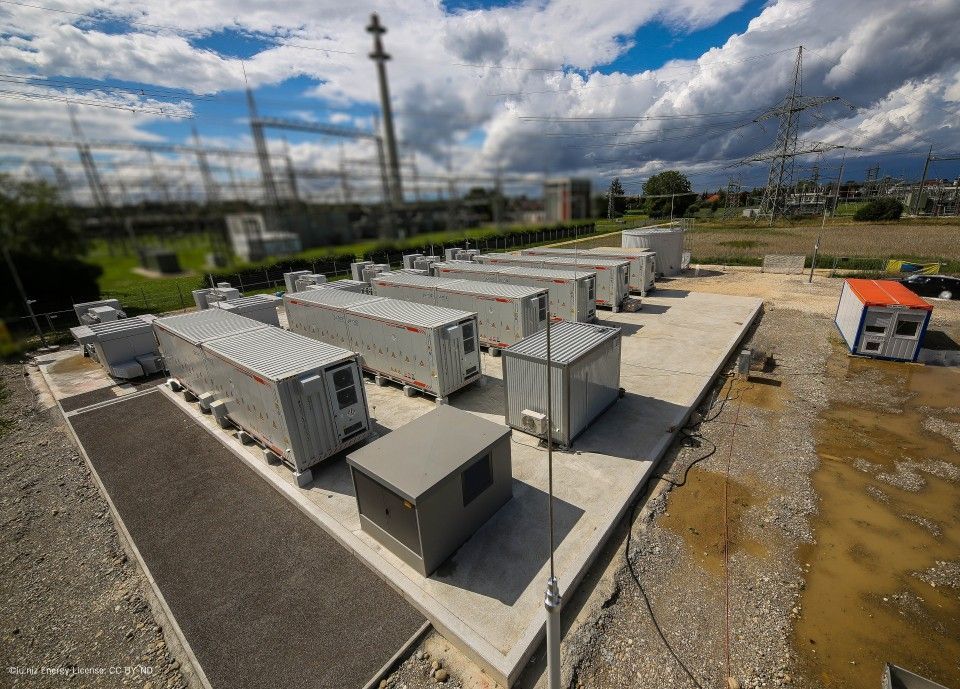
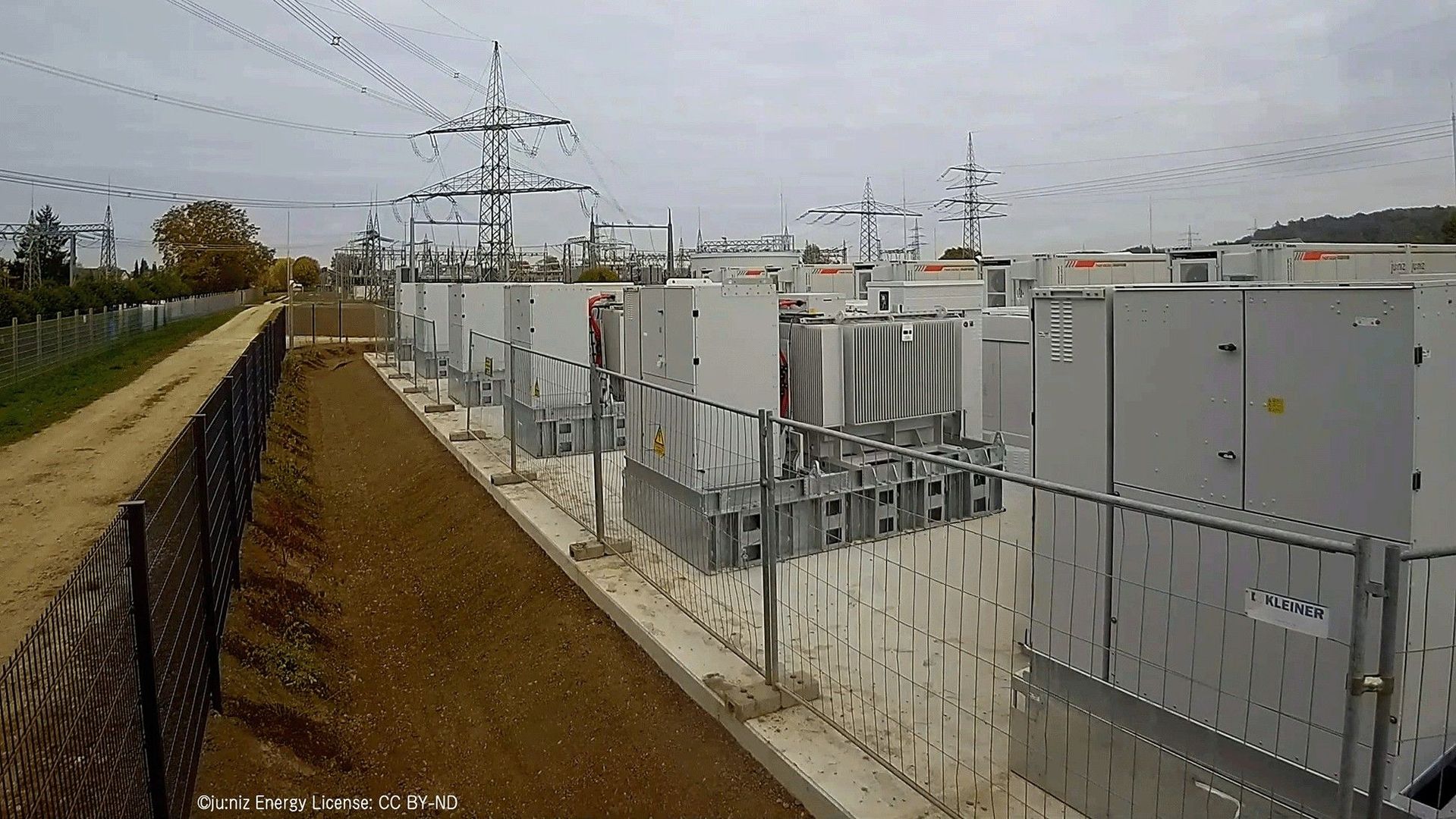
Next Kraftwerke have signed a tolling agreement with ju:niz Energy for a 20 MW large utility-scale battery energy storage system (BESS) with a 40 MWh capacity located in Vöhringen, Bavaria. It is one of the first operational agreements of its kind in Germany. The seven-year tolling remuneration model for the SMAREG 12 BESS offers a stable income for the operator and maximum flexibility for the marketer.
Strategic Collaboration
The goal of the collaborative approach between Shell and Next Kraftwerke is to combine their specialised know-how from long-term hedging to short-term optimisation. Under the agreement, Next Kraftwerke will pay ju:niz Energy a fixed monthly fee per installed MW of capacity for the use of storage capacity. While ju:niz Energy remains responsible for maintenance and availability, Next Kraftwerke strategically deploys the storage facility on the day-ahead, intraday, and balancing energy markets, with dynamic adjustments based on grid needs and price signals. The seven-year contract model combines the capacity purchase agreement (tolling) for 80 percent of the capacity with flexible, market-price-based remuneration (merchant) for the remaining 20 percent. Next Kraftwerke has already been marketing SMAREG 12 since November 1 and has a strong track record in marketing BESS systems since 2018, both in the highly dynamic balancing energy market and in spot markets.
Predictable revenues and flexible marketing
As a new contract model in Germany, tolling contracts are considered an innovative lever for marketing large-scale battery storage systems. While this model is already established in international markets, it opens new perspectives in Germany: operators benefit from predictable, fixed remuneration and can calculate investments with greater certainty, while marketers gain full operational control for deployment on the energy markets. This is an important step toward establishing market-oriented business models for storage technologies.
Innovation for a stable energy system
“SMAREG 12 is an outstanding example of how advanced optimisation technology and intelligent market integration can go hand in hand,” explains Marc Rühs, CEO of Next Kraftwerke. “With our expertise in flexibility trading in cooperation with Shell Energy Europe, Next Kraftwerke enables optimal market participation helping to stabilise the energy system. With the tolling model, we are rethinking battery storage marketing. It enables us to optimise storage flexibly and profitable and makes it possible for us to offer partners long-term planning and security.”
Dr. Marcus Groll, CEO of ju:niz Energy, explains: “SMAREG 12 showcases how cutting-edge technology and advanced digital optimisation can work together to maximize the efficiency of renewable energy utilisation. The fixed remuneration creates planning security and underlines the economic efficiency of storage systems. With SMAREG 12, we are sending a strong signal for innovative business models in the energy transition.”
About ju:niz Energy
ju:niz Energy develops and operates advanced large-scale battery storage systems that are both system- and grid-compatible while ensuring economic efficiency. The company's value chain encompasses project development — from land acquisition to grid connection — project management — including planning, construction, and commissioning — as well as technical operation, maintenance, and commercial management, which includes coordinating market operations and optimizing system performance. ju:niz Energy's strength lies in the seamless integration of all stages of the value chain, from planning to operation.
For more information about ju:niz Energy, visit www.juniz.com.
Go to the download area for press photos.
Updatet three months in: Interview with Till Sonnen (Next Kraftwerke) and Lars Kartaun (ju:niz Energy) (German only)
Press Contact
Lotte Lehmbruck
Do you have a press enquiry or would you like to be added to the press distribution list? Get in touch


Jennifer Ziller
Communication Manager